Introduction
The medical care landscape is continually developing, and with it, the need for specialized functions is raising. Amongst these duties, coming to be an injury treatment nurse stands apart as both gratifying and essential. Wound care registered nurses are in charge of the analysis, therapy, and administration of numerous kinds of injuries, including chronic wounds that usually call for specialized expertise and skills. If you're considering this job path or are simply interested in recognizing what it requires, you've pertained to the best place. This article will check out crucial training programs readily available for striving wound care experts, look into the skills necessary for effective injury management, and provide insights into the everyday responsibilities of a wound treatment nurse.
What Does an Injury Care Registered Nurse Do?
Understanding the Function of an Injury Treatment Nurse
An injury treatment nurse concentrates on analyzing and dealing with patients with injuries or abscess. They play a critical function in ensuring proper healing by applying innovative methods and treatments customized to specific client demands.
Key Duties Include:
Assessment: Evaluating the kind and severity of wounds. Treatment Preparation: Establishing personalized care plans based upon assessments. Wound Administration: Using suitable dressings and treatments. Patient Education: Advising patients on aftercare techniques to promote healing.Why Is Injury Care So Important?
Wound treatment is important not just for visual appeals however even more notably for wound care training sessions health results. Inadequately taken care of wounds can lead to extreme difficulties, consisting of infections or extended recuperation times.
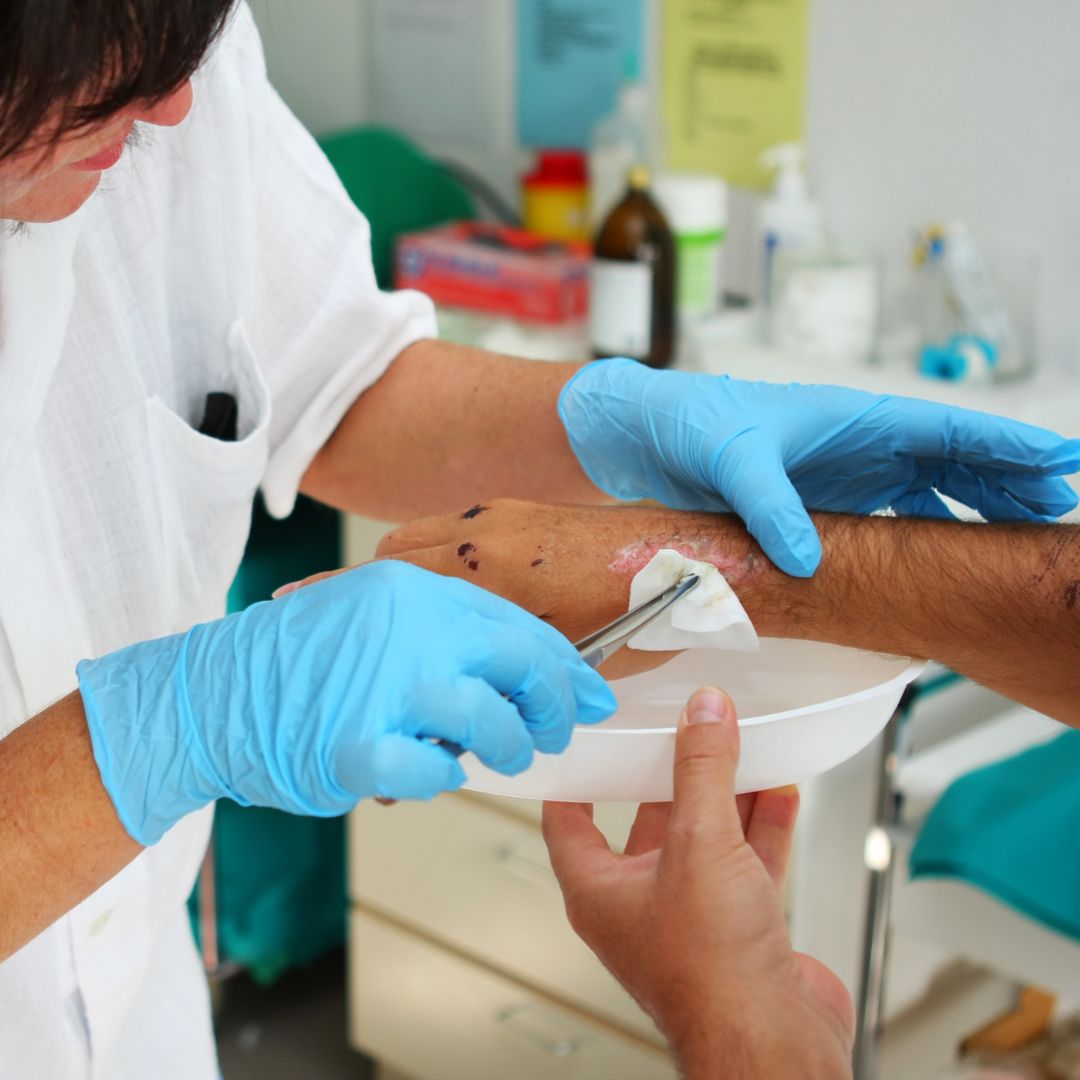
Becoming an Injury Treatment Nurse: Important Training and Skills
Pathways to Becoming a Wound Treatment Specialist
To end up being a wound care registered nurse, a number of educational paths can be gone after:
- Registered Nurse (RN) Program: Start by finishing an approved nursing program (Affiliate's or Bachelor's level). Specialized Certifications: After acquiring experience as a registered nurse, you can seek added qualifications in injury care.
Wound Treatment Professional Training Programs Available
There are countless training programs offered that provide particularly to wound care education:
Basic Injury Care Training- Overview of basic concepts in injury management. Ideal for brand-new registered nurses seeking to enter this specialization.
- Focuses on complex situations calling for advanced knowledge. Recommended for skilled registered nurses intending to specialize further.
- Tailored for nurses taking care of long-lasting wounds. Emphasizes techniques for reliable chronic injury management.
Essential Skills Required for Wound Treatment Nurses
Clinical Skills That Matter
Effective wound care management requires a blend of scientific competence and soft abilities:
- Assessment Skills: Capacity to accurately assess wounds. Technical Proficiency: Understanding in different dressing applications.
Communication Abilities are Key
Strong communication skills make it possible for registered nurses to educate clients properly regarding their problems:
- Explaining treatment prepares clearly. Addressing client worries compassionately.
The Relevance of Continuing Education in Injury Treatment Nursing
Why Ongoing Training Matters
Medical techniques develop quickly; thus continual education is extremely important:
- Keeps nurses upgraded on the most recent treatment modalities. Equips them with arising innovations in wound management.
Recommended Proceeding Education and learning Opportunities
Consider register in workshops or meetings focused on wound treatment innovations:
Annual Wound Recovery Society Conference Online webinars from respectable clinical institutionsWound Care Training Courses: A Closer Look
Overview of Offered Courses
Various institutions use thorough training programs covering various elements of injury treatment:
|Training course Call|Duration|Focus Location|| -----------------------------------|---------------|--------------------------------------|| Basic Injury Care|4 weeks|Foundational abilities|| Advanced Wound Management|6 weeks|Facility situations|| Persistent Abscess Avoidance|8 weeks|Lasting strategies|
Choosing the Right Course
When picking a course, consider your present qualifications and job objectives:
- Are you beginning fresh or looking for specialization? What certain location of injury administration interests you?
Nursing Wound Care Training Requirements
Academic Prerequisites
To sign up in a lot of specialized training programs, you'll generally need:
A legitimate registered nurse license A solid foundation as a whole nursing conceptsCertification Process Explained
After finishing your training program, comply with these steps to acquire qualification as a wound care professional:

Understanding NDIS Wound Care Services
What Is NDIS?
The National Impairment Insurance System (NDIS) provides assistance for Australians with impairments, consisting of those who call for specialized health care like wound monitoring services.
Role of Registered nurses within NDIS Framework
Wound care registered nurses working under NDIS have to understand just how to browse its guidelines successfully while supplying optimal patient-centered care.
Complex Wound Care Challenges Encountered by Nurses
Dealing with Tough Cases
Complex injuries may present special difficulties such as:
- Infection control Managing comorbidities like diabetic issues
Strategies for Reliable Management
Nurses must employ evidence-based strategies when tackling complicated instances:
Regular review Collaborating with multidisciplinary teamsChronic Injuries: A Growing Problem in Healthcare
The Surge of Persistent Conditions
With a maturing population, chronic wounds are ending up being significantly typical-- providing considerable difficulties within health care systems worldwide.
Statistics Highlighting the Problem
According to recent researches:
- Approximately 6 million Americans suffer from chronic injuries annually.
Implications for Nursing Practice
As a lot more people present with chronic conditions, there's an immediate need for knowledgeable experts specializing in chronic injury management.
Evaluating Treatment Performance in Wound Management
How Do You Measure Success?
Successful therapy end results are evaluated with different metrics such as:
Rate of recovery Patient complete satisfaction levelsAdjusting Treatment Strategies When Necessary
Regular evaluations allow registered nurses to make timely adjustments based on just how well clients respond to treatments.
Patient Education: Equipping Individuals Via Knowledge
Importance of Educating Patients Concerning Their Condition
Empowering clients through education and learning boosts their capacity to manage their own wellness successfully-- which ultimately results in much better outcomes!
Techniques For Efficient Client Teaching
Consider using numerous techniques such as aesthetic aids or hands-on demonstrations during instructional sessions.
FAQ Section
Q1: What qualifications do I require to become a wound care nurse?
A1: To become an injury care nurse, you commonly need a minimum of a registered nurse certificate adhered to by specialized training focusing on injury management.

Q2: How long does it require to finish wound care training courses?
A2: The duration differs relying on the course; fundamental training can take around 4 weeks while innovative programs might extend up to 8 weeks or more.
Q3: Are on the internet programs available for nursing injury care training?
A3: Yes! Numerous reliable organizations offer online programs that enable flexibility while learning about innovative principles related to wound management.
Q4: Exactly how typically ought to I pursue continuing education and learning once I end up being certified?
A4: A lot of qualification bodies require renewal every few years which includes completing continuing education and learning credit reports-- normally around 30 hours over 3 years is expected.
Q5: Can I work with NDIS customers as a newly certified nurse?
A5: Yes! However, knowledge with NDIS standards will be advantageous when providing solutions customized specifically towards people under this scheme.
Q6: What are some typical sorts of intricate wounds encountered?
A6: Typical intricate wounds include diabetic abscess, pressure injuries (bed sores), and venous stasis abscess among others-- each requiring particular interventions!
Conclusion
In final thought, coming to be a wounded-care nurse includes dedication, continuous education and learning, and solid scientific skills focused on enhancing patient outcomes with efficient administration strategies customized uniquely per instance circumstance offered before them! As we have actually checked out throughout this post-- from fundamental training demands through advanced specialty requirements-- it's evident that pursuing this career course not only satisfies individual professional goals however also straight impacts lives positively! Whether you're interested due persistance indicates exploring diverse elements surrounding "Coming to be A Wounded-Care Registered nurse" today marks just one step forward towards contributing significantly within health and wellness sectors across the globe!